- 15
 Episode 34Feb. 05, 2019
 - 14
 Episode 33Jan. 31, 2019
 - 13 Episode 32Jan. 24, 2019
- 12 Episode 31Jan. 17, 2019
- 11 Episode 30Jan. 10, 2019
- 10 Episode 29Jan. 03, 2019
- 9 Episode 28Dec. 27, 2018
- 8 Episode 27Dec. 18, 2018
- 7 Episode 26Dec. 11, 2018
- 6 Episode 25Nov. 27, 2018
- 5 Episode 24Nov. 20, 2018
- 4 Episode 23Nov. 13, 2018
- 3 Episode 22Nov. 06, 2018
- 2 Episode 21Oct. 30, 2018
- 1 Episode 20Oct. 23, 2018
- 19
 Episode 19Jun. 07, 2018
 - 18
 Episode 18May. 31, 2018
 - 17
 Episode 17May. 24, 2018
 - 16
 Episode 16May. 17, 2018
 - 15
 Episode 15May. 10, 2018
 - 14
 Episode 14May. 03, 2018
 - 13
 Episode 13Apr. 26, 2018
 - 12
 Episode 12Apr. 19, 2018
 - 11
 Episode 11Apr. 12, 2018
 - 10
 Episode 10Apr. 05, 2018
 - 9
 Episode 9Mar. 29, 2018
 - 8
 Episode 8Mar. 15, 2018
 - 7
 Episode 7Mar. 08, 2018
 - 6
 Episode 6Mar. 01, 2018
 - 5
 Episode 5Feb. 22, 2018
 - 4
 Episode 4Feb. 08, 2018
 - 3
 Episode 3Feb. 01, 2018
 - 2
 Episode 2Jan. 25, 2018
 - 1
 Episode 1Jan. 18, 2018
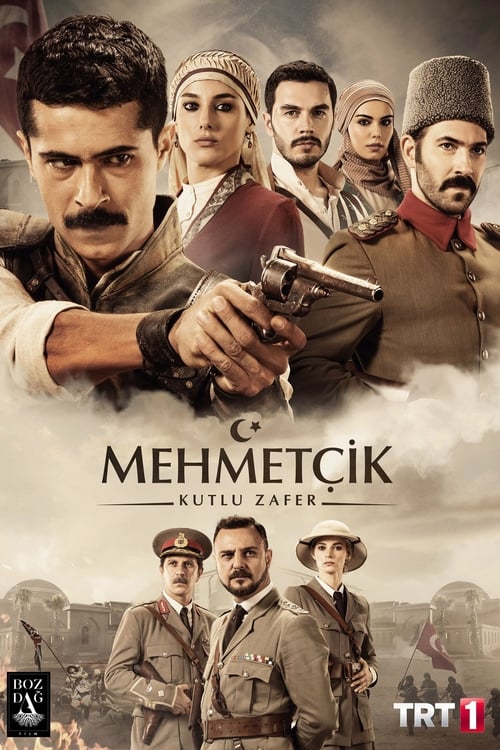
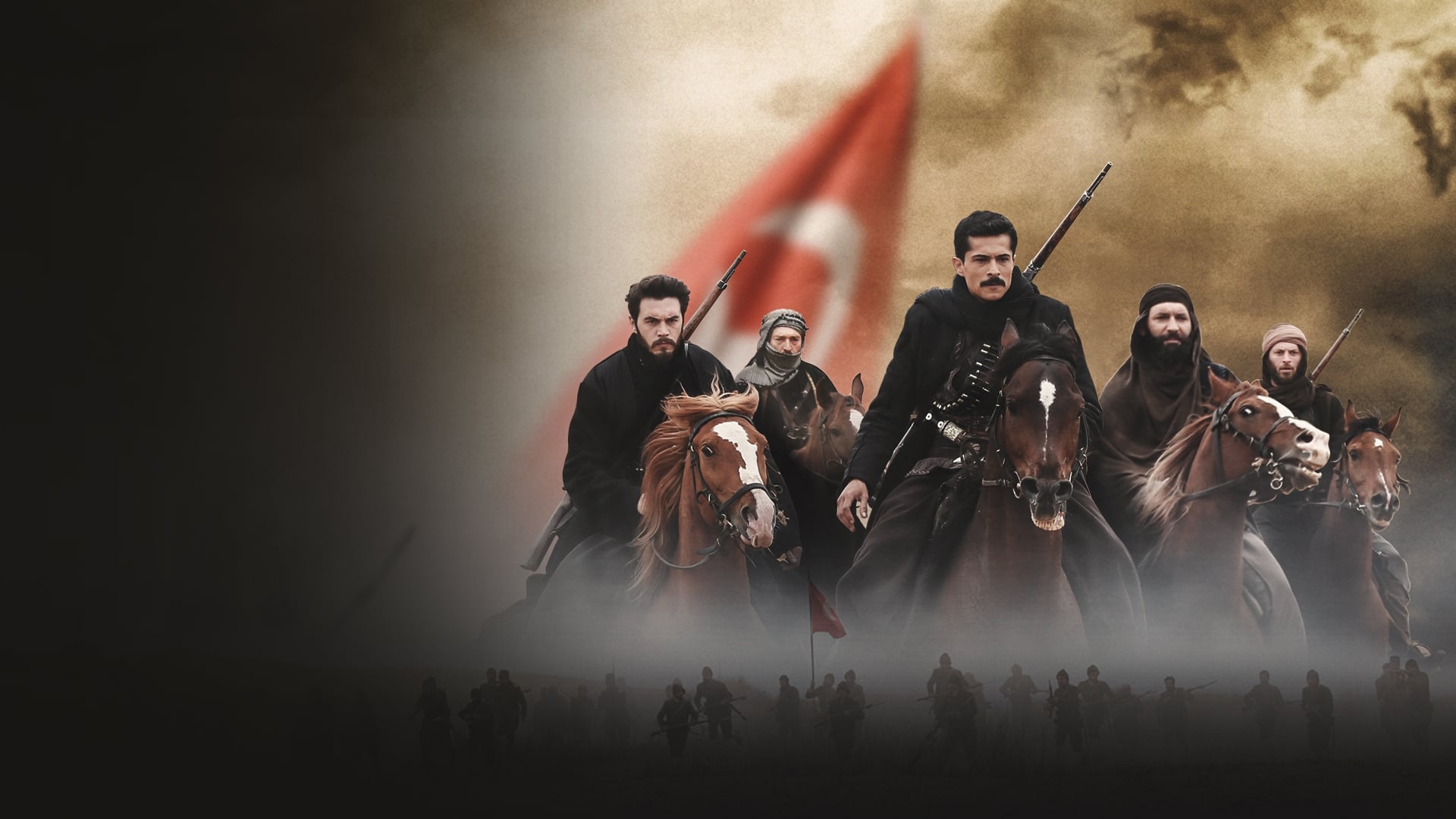
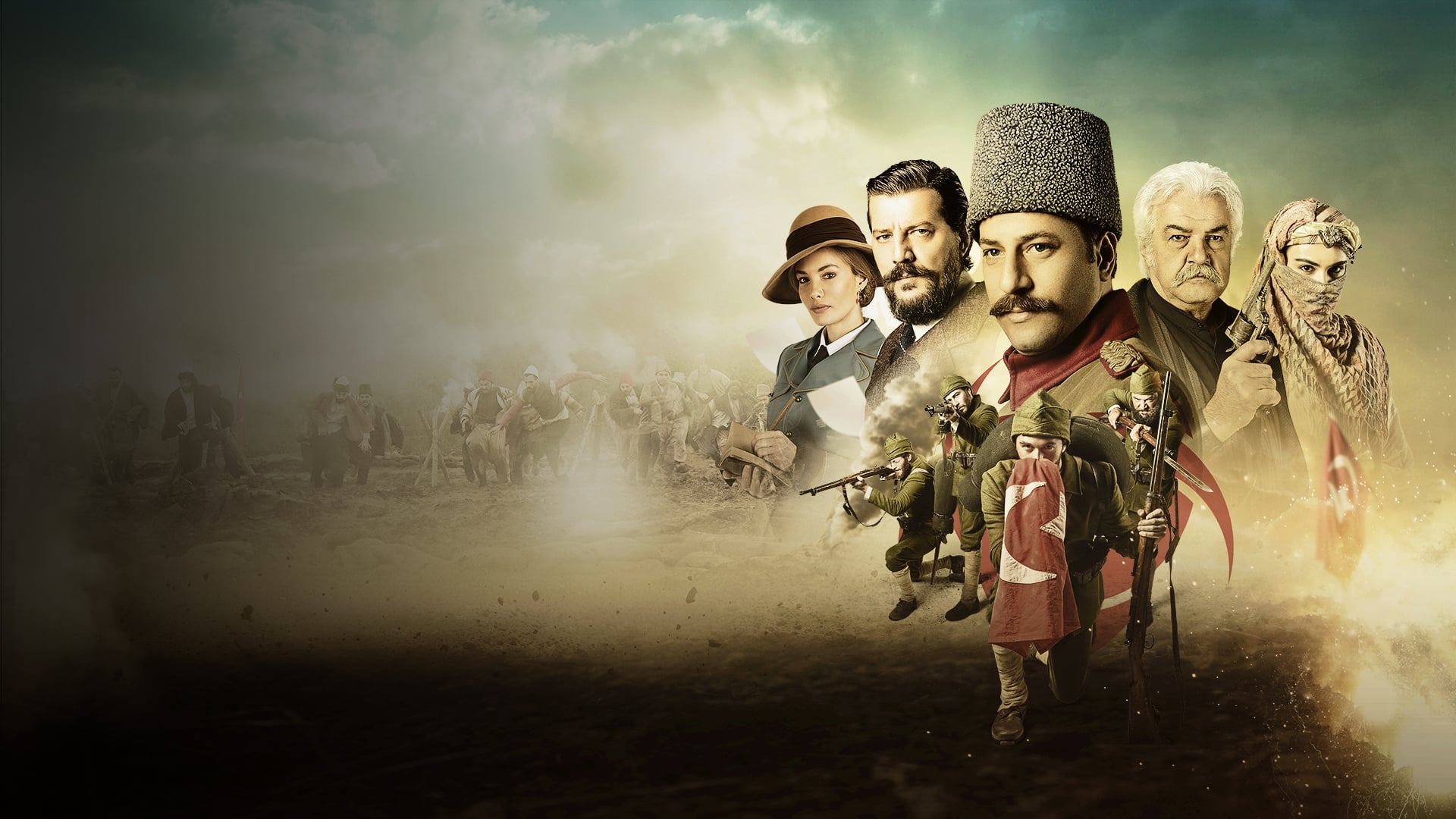
Mehmetcik Kutlu Zafer with English Subtitles
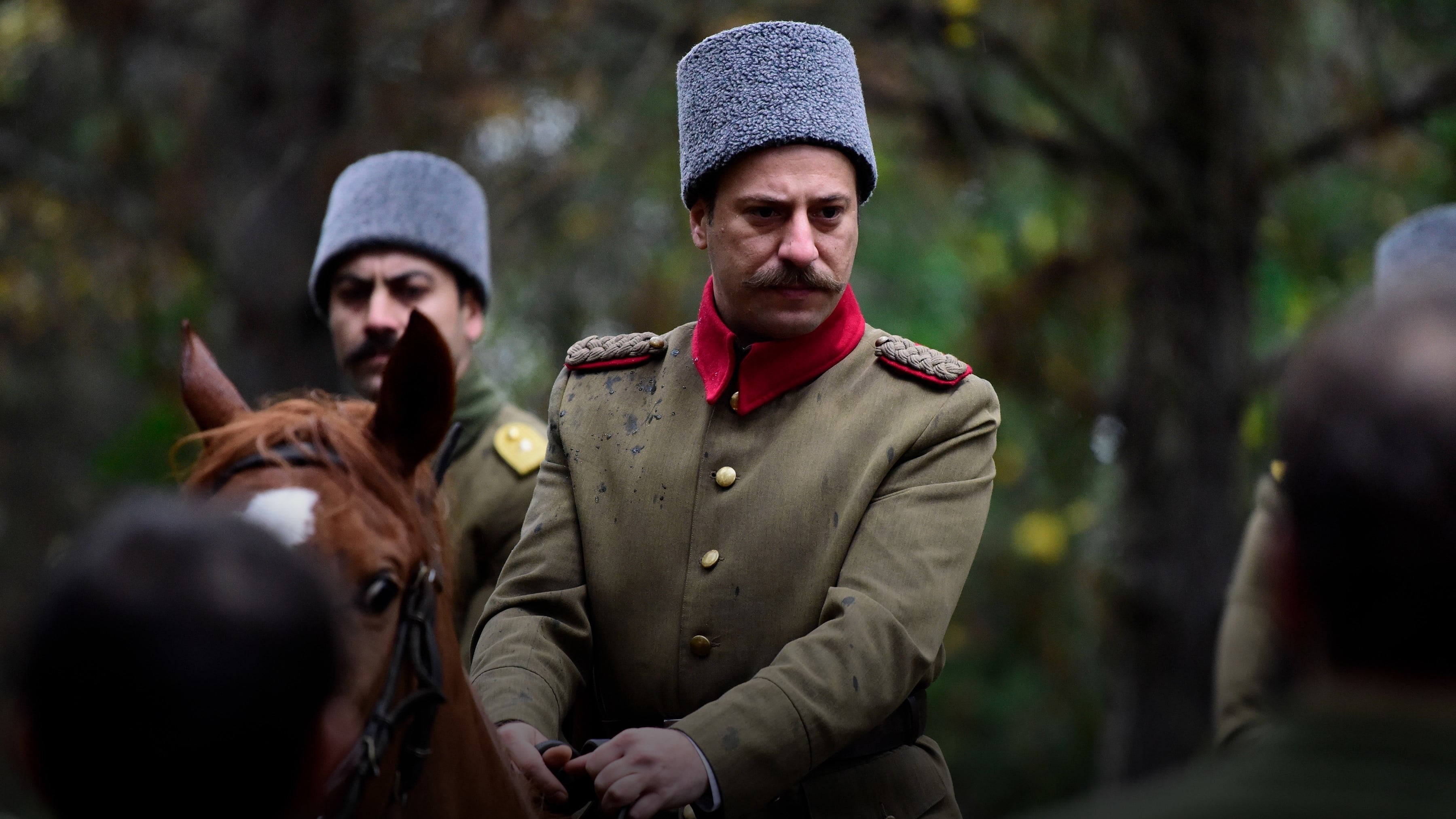
The series **Mehmetcik Kutlu Zafer** (often known as *Mehmetçik Kut’ül Amare*) is a powerful Turkish historical drama that transports viewers to the brutal battlefields of World War I, focusing on one of the Ottoman Empire’s last great victories: the Siege of Kut al-Amara. The series title itself encapsulates the theme—**Mehmetçik**, the affectionate term for the Turkish soldier, achieving a **Kutlu Zafer** (Blessed Victory). The resilience, sacrifice, and deep faith of the Turkish infantryman are the heart of this historical retelling.
The **Mehmetcik Kutlu Zafer** saga meticulously details the pivotal events of the Mesopotamian Campaign between 1915 and 1916. The story is not just about a military campaign; it is a celebration of the enduring spirit of the ordinary Ottoman soldier facing overwhelming odds, extreme climate, and the might of the British Empire. This **ultimate history guide** dissects the 10 most crucial facts about the siege, the definition of the Turkish hero, and the global impact of this stunning victory.

Defining the Hero: The Enduring Spirit of Mehmetcik Kutlu Zafer
To understand the spirit of **Mehmetcik Kutlu Zafer**, one must first understand the meaning of the term **Mehmetçik**. It is a colloquialism generally used to affectionately refer to soldiers of the Turkish Army. Literally translating to **’little Mehmet’**, the term carries a powerful connotation of bravery, simplicity, and sincere devotion to duty. It is the Turkish equivalent of the British ‘Tommy Atkins’ or the American ‘Doughboy’.
The term symbolizes the ordinary Ottoman soldier—often a young Anatolian peasant—who showed immense dedication and fortitude despite suffering from poor supplies and inadequate resources. The show’s title places this humble hero at the center of a historical turning point, affirming his contribution to the national narrative.
The Origin of the Name: Bigalı Mehmet Çavuş
The origin of the term **Mehmetçik** is believed to be based on the life of Ottoman Army Sergeant **Bigalı Mehmet Çavuş** (1878–1964), who became a symbol of courage during the Gallipoli Campaign of World War I. His legendary bravery and sacrifice were so representative of the common soldier that his name became the generalized term of endearment for all Turkish military personnel. This historical foundation adds immense emotional weight to the narrative of **Mehmetcik Kutlu Zafer**.
The Historical Context of Mehmetcik Kutlu Zafer
The Siege of Kut al-Amara occurred during the brutal **Mesopotamian Campaign** of World War I (1914–1918). The British, viewing the region as strategically vital for securing oil interests and protecting India, launched a massive offensive to seize control of Iraq. The town of Kut al-Amara, located on a loop of the **Tigris River** in modern-day Iraq, became the focal point of a grueling, months-long confrontation.
1. The Road to Kut al-Amara: British Advance and Ottoman Counterattack
The confrontation began with the British Indian Expeditionary Force, commanded by General **Charles Townshend**, successfully driving the Ottomans back. The British ambition was to capture Baghdad. However, after suffering a defeat at the Battle of Ctesiphon, Townshend was forced to retreat, eventually digging in and fortifying his position at the small garrison town of Kut al-Amara. The swift Ottoman response, led by the formidable commander **Halil Pasha** (later known as Kut Pasha), quickly encircled the British forces, initiating the siege that is celebrated in **Mehmetcik Kutlu Zafer**.
The Siege of Kut al-Amara: The Ultimate Ottoman Victory
The siege lasted for **147 days**, from December 1915 to April 1916. It was a brutal test of endurance for both sides, defined by extreme desert weather, flooding, disease, and starvation. The series **Mehmetcik Kutlu Zafer** vividly captures the immense suffering within the besieged town and the resilience of the Ottoman forces holding the line.
2. The Failed British Relief Efforts
The British launched three major, heavily reinforced relief efforts to break the siege and rescue Townshend’s army. All three attempts failed, resulting in massive casualties for the British—significantly more than the losses suffered during the siege itself. The failure to relieve their forces added immense humiliation to the eventual surrender, cementing the victory depicted in **Mehmetcik Kutlu Zafer** as a military triumph of the highest order.
3. Key Figures: Halil Pasha and General Townshend
The siege is often seen through the rivalry between the two commanding generals. **Halil Pasha**, the Ottoman commander, exhibited remarkable strategic patience, choosing to starve the British out rather than incur heavy losses in direct assaults. **General Townshend**, the besieged British commander, became increasingly desperate, even attempting to bribe Halil Pasha for safe passage, an offer that was famously and scornfully rejected.
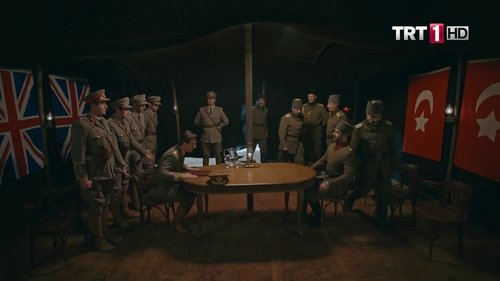
The decisive victory came on **April 29, 1916**, when General Townshend finally surrendered his entire force. The final act of **Mehmetcik Kutlu Zafer** centers on this moment, marking the largest British army surrender in history up to that point.
[INSERT INTERNAL LINK TO RELATED POST HERE]
The Global Significance of Mehmetcik Kutlu Zafer
The victory at Kut al-Amara had political, military, and psychological ramifications that reached far beyond the Mesopotamian theater, making the events celebrated in **Mehmetcik Kutlu Zafer** globally relevant.
4. The Largest British Surrender in History
The surrender involved approximately **13,000 British and Indian troops** who were taken prisoner. This number was unprecedented in the history of the British Army, delivering a devastating blow to British morale both at home and across the Empire. The Ottoman Empire, often viewed as the “Sick Man of Europe,” proved its formidable military capacity on the world stage.
5. Ottoman Prestige and Morale
The victory dramatically boosted **Ottoman prestige** and morale, providing a much-needed propaganda success in the midst of a grueling, multi-front war (Gallipoli, Caucasus, etc.). Halil Pasha himself famously declared, “The courage of the Turks broke the pride of the English!” The triumph confirmed the belief in the enduring spirit of the **Mehmetçik**.
6. The Fate of the Prisoners
The aftermath of Kut al-Amara, while a military victory for the Ottomans, involved immense suffering for the surrendered British and Indian soldiers, many of whom perished during forced marches and harsh conditions in captivity. The series **Mehmetcik Kutlu Zafer** handles the moral complexities of warfare, showcasing the relentless pressure faced by all combatants.
For more detailed historical context on the political and diplomatic effects of the victory, the history of the Mesopotamian Campaign can be explored further. Consult the resources available on the World War I archives.
The Lasting Legacy of Mehmetcik Kutlu Zafer
The historical importance of **Mehmetcik Kutlu Zafer** lies in its reminder that the Ottoman Empire achieved significant victories even while facing ultimate defeat. The show ensures that the immense sacrifice and fortitude of the Turkish soldiers are not forgotten.
7. The Symbol of Turkish Resilience
The series serves as a powerful symbol of **Turkish resilience**. The endurance shown by the Ottoman forces holding the line against massive, technologically superior relief efforts is a foundational story of national pride. The show channels this resilience, celebrating the tenacity that would later define the Turkish War of Independence.
8. Honouring the Mehmetçik
Ultimately, **Mehmetcik Kutlu Zafer** honours the ordinary soldier—the **Mehmetçik**. The historical drama elevates the common man’s struggle against imperial aggression, making the victory personal and deeply patriotic. The show’s narrative is a tribute to all who served during that turbulent period, ensuring their sacrifice is remembered as a blessed victory for the Turkish nation.
[INSERT INTERNAL LINK TO RELATED POST HERE]
Conclusion: The True Meaning of Mehmetcik Kutlu Zafer
The series **Mehmetcik Kutlu Zafer** successfully translates a pivotal historical victory into compelling television. By focusing on the Siege of Kut al-Amara, the show achieves its goal of celebrating the resilience and ultimate triumph of the Ottoman forces against the British during World War I.
The true significance of **Mehmetcik Kutlu Zafer** is found not only in the capture of 13,000 enemy troops but also in the enduring spirit of the **Mehmetçik**—the courageous, dedicated Turkish soldier who secured one of the Empire’s most famous and consequential victories.
Frequently Asked Questions
- What is the historical event covered in Mehmetcik Kutlu Zafer? The Siege of Kut al-Amara during the Mesopotamian Campaign of WWI.
- What does the term “Mehmetçik” mean? It is an affectionate Turkish term for the ordinary soldier, meaning “little Mehmet.”
- Who commanded the victorious Ottoman forces? Halil Pasha (later known as Kut Pasha) commanded the Ottoman army.
- When did the British surrender at Kut al-Amara? General Townshend surrendered his entire force on April 29, 1916.
Creator:Mehmet Bozdağ
Stars:Atakan Yarımdünya, Burak Alp Yenilmez, Cansu Tosun, Hakan Vanlı, İsmail Ege Şaşmaz, İsmail Hacıoğlu, İsmail Hakkı, Özgü Kaya, Semih Ertürk, Yiğit Uçan
Networks:TRT 1
Seasons:2