- 20
 Episode 20Jun. 09, 2023
 - 19 Episode 19Jun. 02, 2023
- 18 Episode 18May. 26, 2023
- 17 Episode 17May. 19, 2023
- 16 Episode 16Apr. 28, 2023
- 15 Episode 15Apr. 21, 2023
- 14 Episode 14Apr. 14, 2023
- 13 Episode 13Apr. 07, 2023
- 12 Episode 12Mar. 31, 2023
- 11 Episode 11Mar. 24, 2023
- 10 Episode 10Mar. 17, 2023
- 9 Episode 9Mar. 04, 2023
- 8 Episode 8Feb. 10, 2023
- 7 Episode 7Feb. 03, 2023
- 6 Episode 6Jan. 27, 2023
- 5 Episode 5Jan. 20, 2023
- 4 Episode 4Jan. 13, 2023
- 3 Episode 3Jan. 06, 2023
- 2 Episode 2Dec. 30, 2022
- 1 Episode 1Dec. 23, 2022
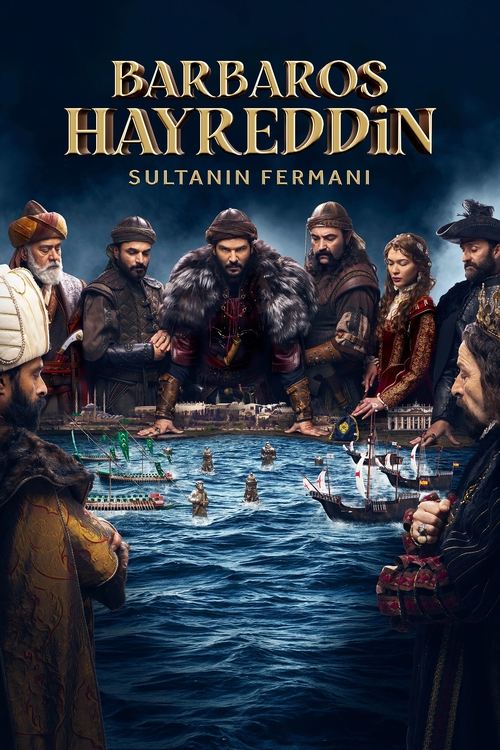
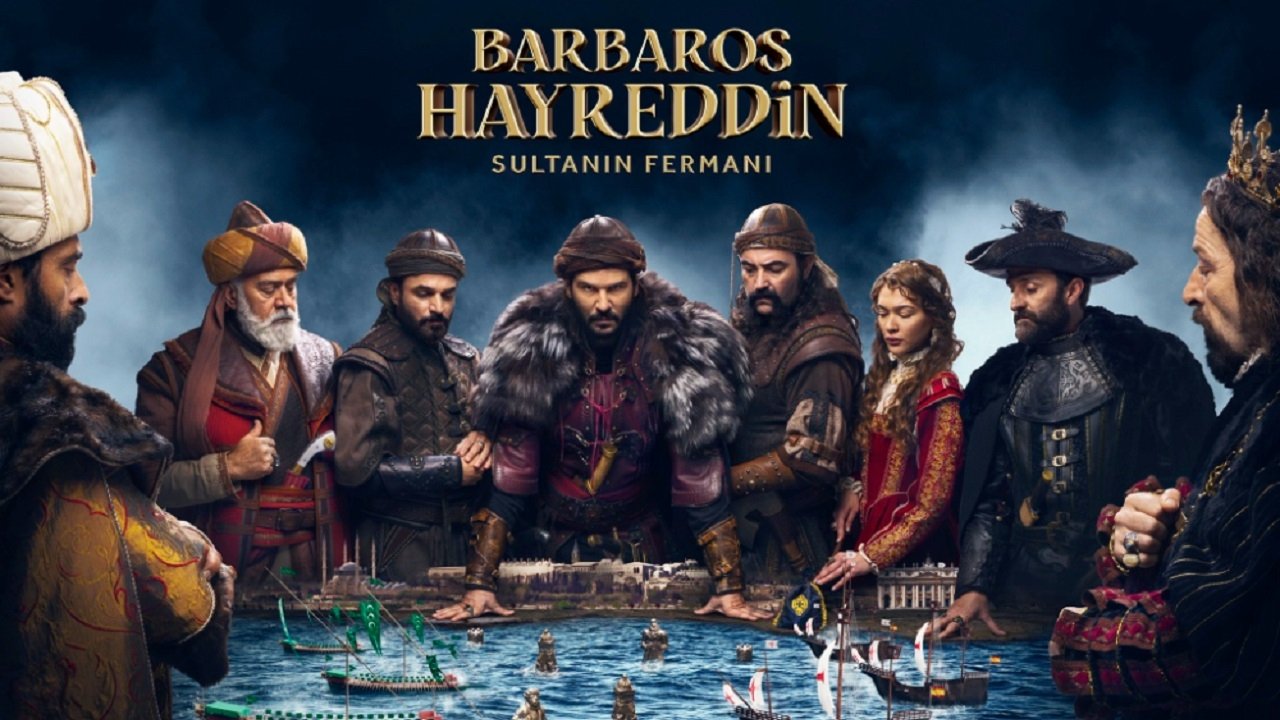
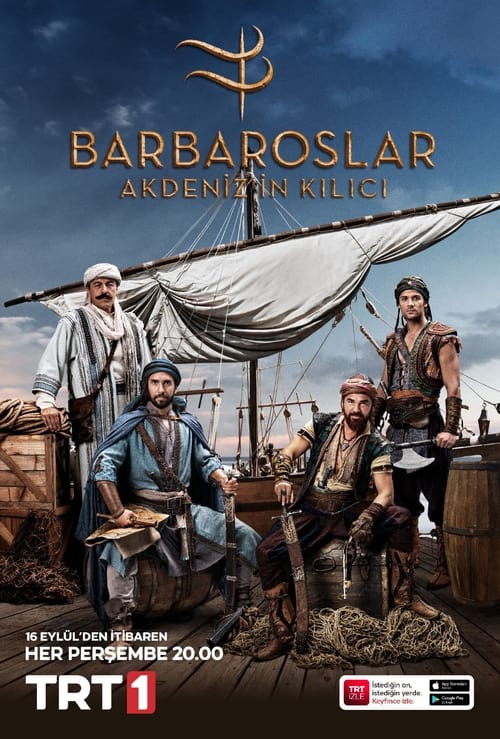
Barbaros Hayreddin Sultanin Fermani with English Subtitles
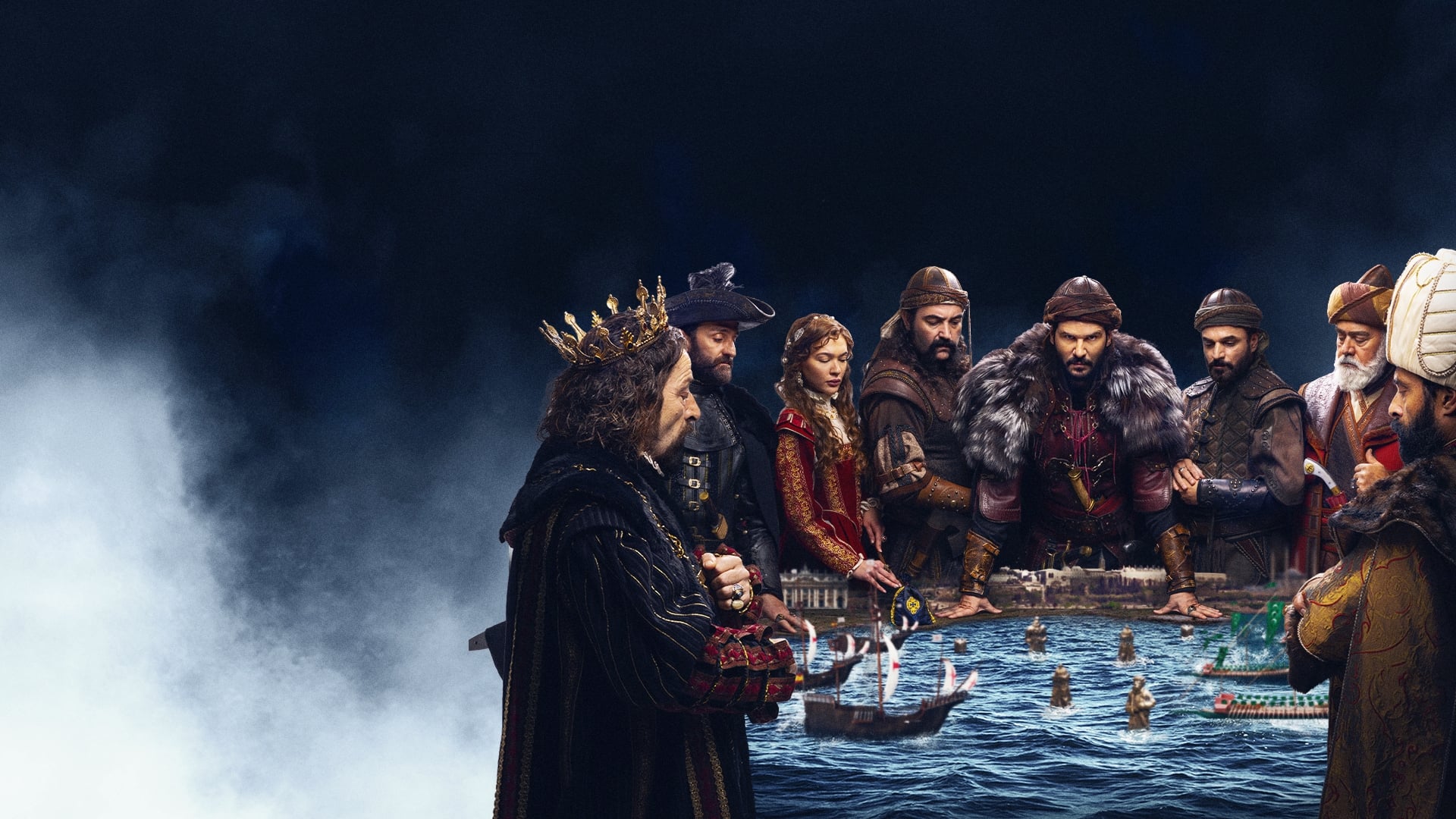
The name **Barbaros Hayreddin Sultanin Fermani** is synonymous with absolute Ottoman naval dominance in the Mediterranean during the 16th century. While the Turkish television series focuses on the dramatic life of **Hızır Reis** (later Hayreddin Pasha), the historical figure is one of the most powerful and feared admirals to ever command a fleet. This article delves into the historical reality and the incredible naval campaigns that earned Hayreddin his place as Kapudan Pasha (Grand Admiral) and secured Ottoman supremacy for decades.
The name “Barbarossa” (Redbeard) was inherited from his elder brother, **Oruç Reis**, who was martyred in 1518. Hızır Reis adopted the moniker along with the honorary name **Hayreddin** (“goodness of the faith”) after entering the service of the Ottoman Sultan. The series, *Barbaros Hayreddin Sultanın Fermanı*, covers the period after he was appointed Grand Admiral by **Suleiman the Magnificent** in 1533, detailing the major battles that reshaped the map of the Mediterranean.
This **ultimate history guide** uses the provided historical context to explore the life, lineage, and 10 most insane victories and naval actions of **Barbaros Hayreddin Sultanin Fermani**, showcasing why his command was crucial to the Ottoman Empire’s golden age.

The Early Life and Rise of Barbaros Hayreddin Sultanin Fermani
Born **Khizr** around 1478 on **Lesbos**—a son of an Ottoman sipahi, Yakup Ağa, and a Greek Orthodox mother, Katerina—Khizr began his naval career as a corsair alongside his brothers, Oruç and Ilyas. Initially focused on countering the privateering of the **Knights Hospitaller** based on Rhodes, the brothers quickly became renowned for their ferocity and tactical genius.
The death of Ilyas and the subsequent wounding and captivity of Oruç marked the early tragedy of the family. Oruç’s resilience, earning him the nickname **Baba Oruç** (Father Oruç), which evolved into Barbarossa, inspired Khizr to continue the fight. The historical saga of **Barbaros Hayreddin Sultanin Fermani** is fundamentally built on the legacy of Oruç and the pursuit of vengeance against the Christian powers, particularly Spain.
1. Capture of Algiers (1516): The Foundation of Power
In a crucial early action, the brothers Oruç, Khizr, and Ishak succeeded in capturing **Algiers** from the Spaniards in 1516. Oruç declared himself Sultan but soon offered Algiers to Sultan Selim I, securing Ottoman protection and resources (Janissaries, galleys, and cannons). This event cemented the corsairs’ power base in North Africa and transformed them from mere privateers into political rulers, a necessity for the grand campaigns that followed.
2. Taking the Peñón of Algiers (1529): Securing the Capital
Following the death of Oruç Reis, Khizr inherited the mission. A key early victory for Khizr (now known as Barbarossa) was taking the **Peñón of Algiers** from the Spaniards in 1529. This Spanish fort, located on an island opposite the city, had been a continuous threat to Ottoman Algiers. Its capture secured Khizr’s command over the city and its surrounding regions, neutralizing a major local threat and consolidating the **Regency of Algiers**.
The Grand Admiral: Kapudan Pasha and Imperial Campaigns
In 1533, Khizr Reis was summoned to Istanbul by **Suleiman the Magnificent** and appointed **Kapudan Pasha** (Grand Admiral) of the Ottoman Navy. This appointment legitimized his actions, transforming him into a state official with imperial resources. This is the historical starting point for the show, **Barbaros Hayreddin Sultanin Fermani**, where his strategic battles defined the geopolitical landscape.
3. Conquest of Tunis (1534): A Swift Takeover
In a bold move, Barbarossa sailed from Constantinople and captured **Tunis** in August 1534, sending the Hafsid Sultan Mulay Hassan fleeing. This was a massive strategic victory, as Tunis was a vital port. Although Charles V later recaptured it, this swift takeover demonstrated Barbarossa’s ability to project Ottoman power deep into North Africa, setting the stage for decades of Ottoman-Habsburg rivalry in the region.
4. Siege of Nice (1543): The Franco-Ottoman Alliance
In a highly unusual historical partnership, Barbarossa commanded a massive fleet to assist **France**, then an ally of the Ottoman Empire, against the Habsburgs. Barbarossa successfully besieged and captured the city of **Nice** in August 1543 on behalf of French King Francis I. The French then evacuated **Toulon** and placed the city in the hands of Barbarossa for six months, converting it into a temporary Ottoman port with its own mosque and slave market. This joint campaign showed the extent of Ottoman naval reach into Western Europe.
For detailed accounts of the Franco-Ottoman alliance and its naval implications, the history of this period is meticulously documented in historical sources. Consult Wikipedia’s article on the Franco-Ottoman alliance for context on this strategic partnership.
The Decisive Battles of Barbaros Hayreddin Sultanin Fermani
Barbarossa’s tenure as Kapudan Pasha was marked by continuous warfare against the assembled Christian fleets of Europe. His actions forced Pope Paul III to organize the “Holy League” in a desperate attempt to counter Ottoman dominance at sea.
5. Action off Elba and Sicily (1504–1510): Early Terror
Even in his early career as a corsair, Khizr and Oruç established a reputation for audacious strikes. Between 1504 and 1510, operating from **Djerba**, they captured massive **papal galleys** near Elba and a Sicilian warship carrying 380 Spanish soldiers and 60 knights. These early successes, which saw them seize control of two much larger papal galleys, increased their fame dramatically and were instrumental in attracting other corsairs to their banner.
6. The Sack of Ischia (1544): Punishing the Enemy
Following his operations in France, Barbarossa sailed back toward the Ottoman Empire, launching several devastating raids along the Italian coast. In July 1544, he landed at **Ischia** (near Naples) and captured the city, taking 4,000 prisoners. He also bombarded and captured the citadel of **Lipari** after a 15-day siege, taking 2,000–7,000 inhabitants captive. These actions demonstrated that even on their way home, the Ottoman fleet was a devastating force.
[INSERT INTERNAL LINK TO RELATED POST HERE]
7. The Italian Raids (1534): Sounding the Alarm in Rome
In July 1534, Barbarossa’s fleet crossed the Strait of Messina and bombarded ports in the Gulf of Naples, capturing 7,800 captives. His sudden appearance at **Fondi**, then part of the Spanish-ruled Kingdom of Naples, caused the church bells in **Rome to sound the alarm**. He ransacked various cities, taking 10,000 captives in Sperlonga. The sheer speed and impact of these raids revealed the terrifying new reach of the Ottoman Navy.
8. Siege of Castelnuovo (1539): Strategic Retribution
Following the Battle of Preveza, the Spanish captured the strategic fortress of **Castelnuovo**. In the summer of 1539, Barbarossa led a massive force to recapture it. This victory was a crucial act of strategic retribution, reinforcing the Ottoman claim over the Aegean and Ionian islands previously held by the Republic of Venice. He also captured the nearby Castle of Risan, securing the entire region.
9. The Ionian and Aegean Campaigns (1537): Stripping Venice’s Power
In 1537, Barbarossa and Lütfi Pasha led a huge Ottoman force to systematically capture the **Aegean and Ionian islands** belonging to the Republic of Venice. Islands such as Syros, Naxos, and Kythira fell. These losses prompted Pope Paul III to organize the Holy League. Barbarossa also raided **Corfu**, enslaving the countryside population, demonstrating the immense economic and military pressure placed on Venice.
10. The Battle of Preveza (1538): Securing the Mediterranean
The **most decisive victory** in the career of **Barbaros Hayreddin Sultanin Fermani** was the **Battle of Preveza** in September 1538. Leading the Ottoman fleet, he achieved a crushing victory over the combined fleet of the Holy League, commanded by the renowned Genoese Admiral **Andrea Doria**. This naval masterpiece was the historical action that **secured Ottoman dominance over the Mediterranean for the next 33 years**, until the Battle of Lepanto in 1571. This single victory cemented Hayreddin’s status as a legend.
[INSERT INTERNAL LINK TO RELATED POST HERE]
Retirement, Death, and the Legacy of Barbaros Hayreddin Sultanin Fermani
Barbarossa retired in **Constantinople** in 1545, leaving his son **Hasan Pasha** as his successor in Algiers. He dictated his memoirs, the *Gazavat-ı Hayreddin Paşa* (*Conquests of Hayreddin Pasha*), which are still historical treasures today. He died on July 4, 1546, at his seaside palace on the Bosphorus.
His tomb (*türbe*), located near the ferry port of **Beşiktaş** in Istanbul, remains a powerful monument, built by the famous architect **Mimar Sinan**. His memorial flag, the Sanjak, bears powerful Islamic symbols, including the Quranic verse 61:13 (“Victory from Allah and an eminent conquest…”), the names of the first four Caliphs, and the sword **Dhu’l-Fiqar**, emphasizing his role as the protector of the faith at sea.
The historical life of **Barbaros Hayreddin Sultanin Fermani** is a dramatic testament to the age of exploration, naval warfare, and imperial ambition, and the Turkish television series captures the full scope of this monumental historical figure.
Frequently Asked Questions
- Who appointed Hayreddin Pasha as Grand Admiral? Sultan Suleiman the Magnificent appointed him Kapudan Pasha (Grand Admiral) in 1533.
- What was Hayreddin’s greatest historical victory? The Battle of Preveza in 1538, which secured Ottoman naval dominance over the Mediterranean for decades.
- Where was Hayreddin Barbarossa born? He was born Khizr on the island of Lesbos in the Ottoman Empire (c. 1478).
- What is the Ferman in the series title? The Sultan’s Decree, which legitimized Hayreddin’s command and granted him the authority to lead the entire Ottoman Navy.
Creator:Berat Özdoğan
Stars:Arif Pişkin, Bahadır Yenişehirlioğlu, Başak Daşman, Ceren Soylu, Ercüment Fidan, Hasan Küçükçetin, Melisa Döngel, Timur Acar, Tolgahan Sayışman, Ufuk Özkan
Networks:TRT 1
Seasons:1