- 30
 Omar Series Episode 30 English SubtitlesAug. 18, 2012
 - 29
 Famine YearAug. 17, 2012
 - 28
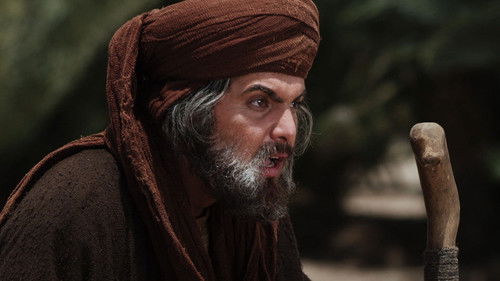 Siege of JerusalemAug. 16, 2012
 - 27
 Battle of al-Qadisiyyah Against SassanidsAug. 15, 2012
 - 26
 Siege of DamascusAug. 14, 2012
 - 25
 Umar and his subjectsAug. 13, 2012
 - 24
 Muslim Conquest of the LevantAug. 12, 2012
 - 23
 Battle of Yarmouk Against Theodore TrithyriusAug. 11, 2012
 - 22
 Death of Abu Bakr, Umar Becomes Caliph, Battle of YarmoukAug. 10, 2012
 - 21
 Muslim Conquest of PersiaAug. 09, 2012
 - 20
 Battle of Yamama Against MusaylimahAug. 08, 2012
 - 19
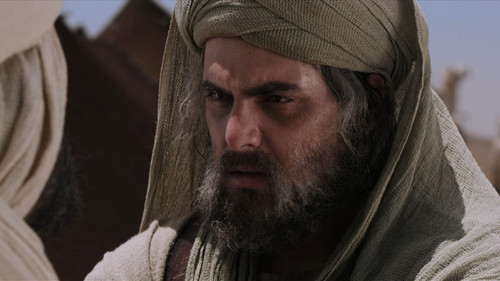 Rise of Sajah, Ridda WarsAug. 07, 2012
 - 18
 Abu Bakr Becomes the First CaliphAug. 06, 2012
 - 17
 Abu Sufyan Embrace Islam, Death of Muhammad PBUHAug. 05, 2012
 - 16
 Khalid ibn Al-Walid Embrace Islam, Conquest of MeccaAug. 04, 2012
 - 15
 The Year of Delegations, First HajjAug. 03, 2012
 - 14
 Battle of Khandaq, Treaty of HudaibiyahAug. 02, 2012
 - 13
 Battle of Uhud, Digging the TrenchAug. 01, 2012
 - 12
 Quraish Plan for the Second Battle Against MuslimsJul. 31, 2012
 - 11
 Battle of Badr, Death of Abu JahlJul. 30, 2012
 - 10
 Hijrah to Yathrib, Medina, Building Al-Masjid an-NabawiJul. 29, 2012
 - 9
 Boycott against MuslimsJul. 28, 2012
 - 8
 Umar Embraces Islam, First SermonJul. 27, 2012
 - 7
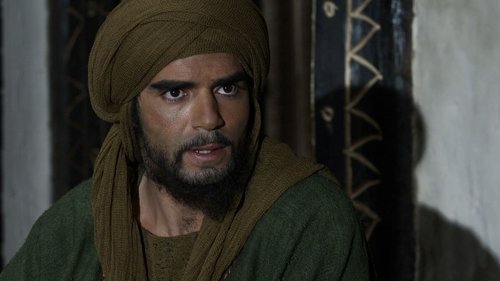 Migration to AbyssiniaJul. 26, 2012
 - 6
 Bilal ibn Rabah Gains Freedom and Embraces IslamJul. 25, 2012
 - 5
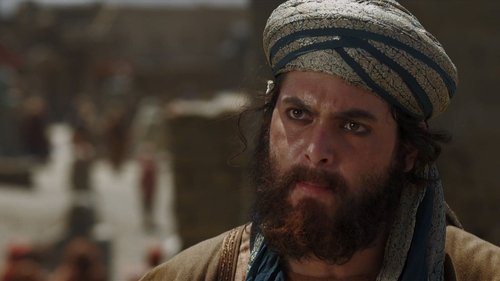 Persecution of Muslims by the MeccansJul. 24, 2012
 - 4
 Family Affairs, Torture and Boycott MuslimsJul. 23, 2012
 - 3
 Muhammad's Message & Abu LahabJul. 22, 2012
 - 2
 Islam beginsJul. 21, 2012
 - 1
 Umar ibn Al-KhattabJul. 20, 2012
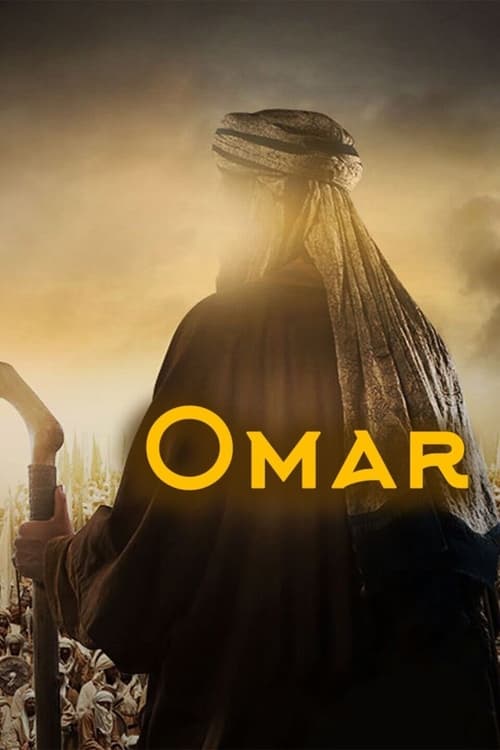
Omar Series with English Subtitles
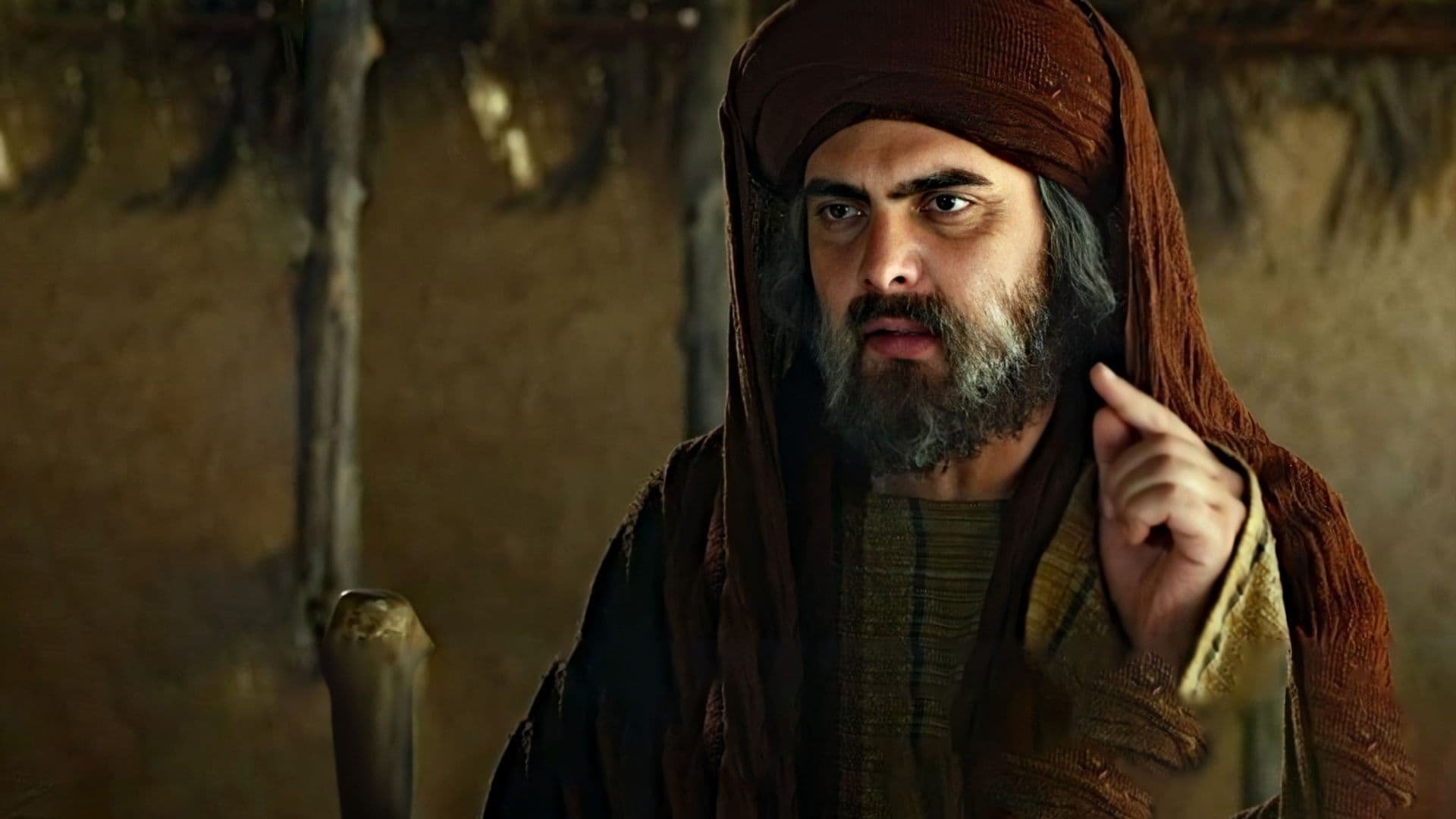
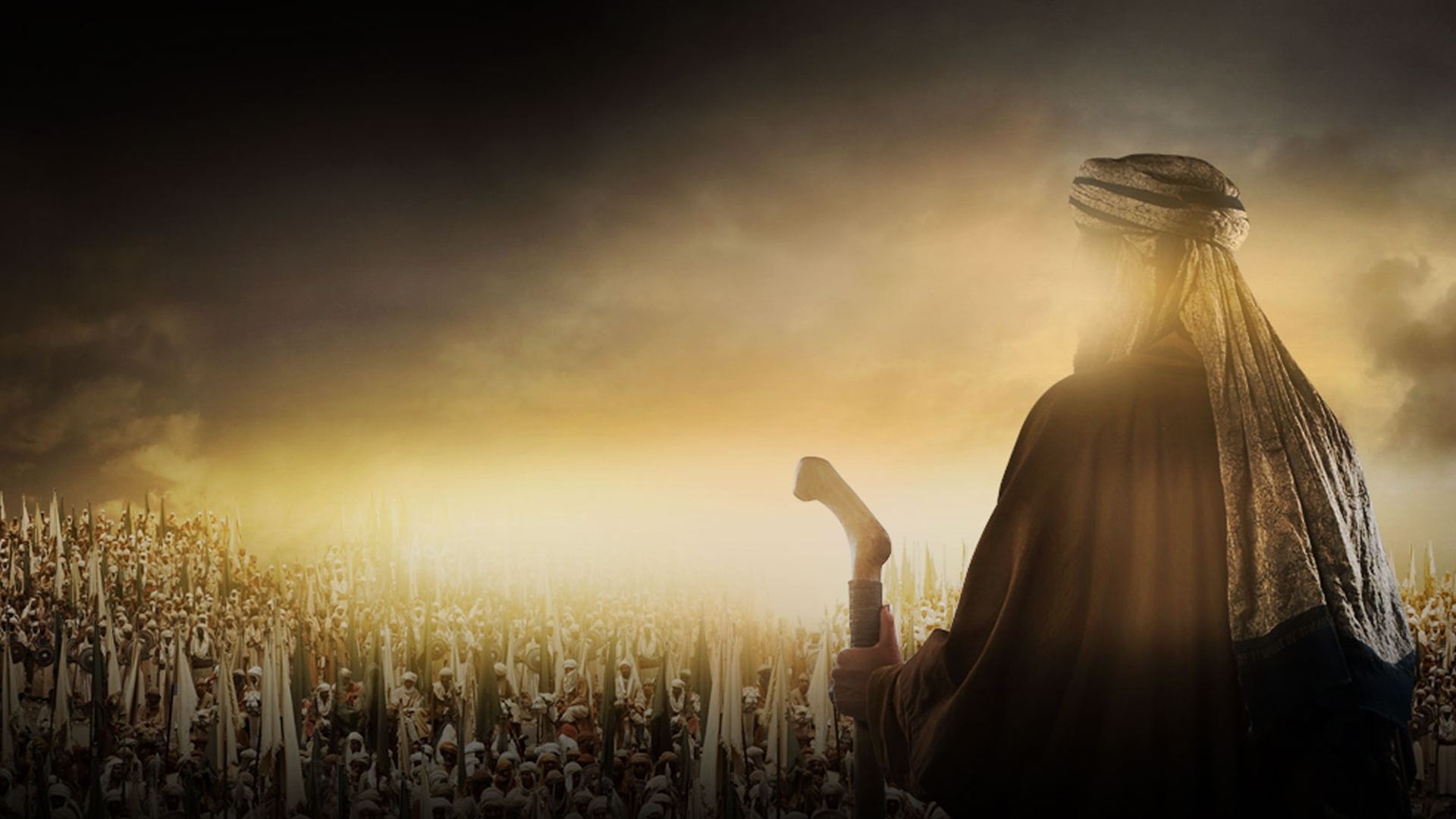
The **Omar Series** (*Omar* or *Omar Farouk*) is a landmark Arab television drama that captivated millions worldwide during its original broadcast in Ramadan 2012. Produced by **MBC1** and **Qatar TV**, the miniseries depicts the life of **Omar ibn al-Khattab** (c. 583–644), the second of the four **Rashidun Caliphs** and one of the most pivotal figures in early Islamic history. The 31-episode series, directed by Hatem Ali, covers Omar’s life from the age of 18 until his assassination, showcasing his journey from a powerful Quraish leader and wrestler to an immensely devoted believer and bold warrior.
Produced at a colossal cost of **200 million Saudi riyals** (est. USD$53 million), the production value of the **Omar Series** is immense, utilizing locations across Morocco, Saudi Arabia, and Qatar. It is a deeply biographical work that seeks to illuminate the foundational period of the Islamic state and the unparalleled character of its second ruler.
This **ultimate guide** explores the 10 most amazing secrets, controversies, and historical narratives that define the **Omar Series**, detailing why this monumental show remains a subject of both high praise and intense debate across the Muslim world.

The Historical and Biographical Scope of the Omar Series
The **Omar Series** distinguishes itself by its ambitious scope, covering the entire life of Omar ibn al-Khattab. The narrative uses a flashback perspective, beginning with the Caliph during a pilgrimage and emotionally recalling his 18-year-old self working under his rude father, **Khattab ibn Nufayl**, in Mecca.
1. Omar’s Life Before Islam
The early episodes meticulously detail Omar’s powerful stature and influence in pre-Islamic Mecca. He is shown as a **wrestler**, a successful **businessman**, and a leading figure among the **Quraish**. This portrayal is essential for understanding the dramatic weight of his eventual conversion, as he was initially one of Islam’s fiercest opponents. The series showcases the magnitude of the early struggles faced by the first Muslims before the Meccan victory.
2. The Era of the Prophet and the Early Battles
Following his conversion, the **Omar Series** shifts to showing his role as an immensely devoted believer and one of the closest companions of **Muhammad**. The show depicts Omar’s participation as a bold warrior in all the contemporary Islamic battles. His bravery and unwavering devotion become an inspiration for all contemporary Muslims, cementing his reputation as a man of extraordinary courage and conviction.
3. The Succession of the Rashidun Caliphate
A crucial portion of the **Omar Series** covers the political transition following Muhammad’s death. The series details the legacy of **Abu Bakr** as the first Caliph, his short but foundational rule, and his eventual death. The final third of the series focuses on **Omar’s legacy** as the second Caliph, illustrating the biographical stories of improvements, expansion, and the complexities of his rule until his assassination.
[INSERT INTERNAL LINK TO RELATED POST HERE]
The Controversies and Global Reception of the Omar Series
Despite its high production value and meticulous writing, the **Omar Series** generated significant **controversies** worldwide, specifically concerning its casting and depiction of major historical figures.
4. Depicting the Rashidun Caliphs
The most high-profile controversy surrounding the **Omar Series** was the **depiction of the four Rashidun Caliphs** (Omar, Abu Bakr, Uthman, and Ali), along with other prominent companions. Many Muslims believe that these figures, due to their revered status, should not be physically represented in media, much like the Prophet Muhammad. This artistic decision led to bans in several Muslim-majority regions, even while the series was widely celebrated elsewhere.
5. Scholarly Support and International Broadcast
Despite the backlash from certain quarters, the **Omar Series** received **great support from many different Sunni scholarly bodies** and religious figures. This backing legitimized the show for many viewers. The series was subsequently dubbed into several languages for international broadcast (including Urdu for PTV Home) and subtitled in English on YouTube, achieving massive global reach and viewership.
6. The Production Scale and Cost
The **Omar Series** was a massive undertaking, reflecting the importance of its subject matter. Produced at a cost of **200 million Saudi riyals** (estimated USD$53 million), the show was one of the most expensive Arabic television productions ever. Filming took place across expansive locations in **Morocco** (Marrakesh, Tangier, Casablanca) and **Qatar**, ensuring a visually authentic and immersive recreation of the 7th-century world.
Omar’s Legacy: Improvements, Expansion, and Assassination
The focus of the **Omar Series** on the Caliphate highlights the profound administrative and military impact Omar ibn al-Khattab had on the nascent Islamic Empire.
7. Omar’s Reforms and Administrative Improvements
Omar’s legacy as Caliph is marked by his far-reaching **improvements** to governance and administration. The series showcases the biographical stories of his reforms, such as the establishment of the *Diwan* (governmental departments), the systematic expansion of justice, and the implementation of sound economic policies that secured the welfare of the growing Muslim community. He is depicted as a leader dedicated to simplicity, justice, and accountability.
8. The Great Expansion of the Caliphate
Under Caliph Omar’s rule, the Islamic Empire expanded exponentially, conquering vast territories from the Byzantine and Sasanian Empires. The **Omar Series** portrays the complexities of this expansion, detailing the strategic brilliance of the Muslim armies and the moral dilemmas of governance over newly conquered populations. This dramatic narrative demonstrates why Omar is credited with shaping the territorial and administrative identity of the early Caliphate.
9. The Final Moments of the Omar Series
The series culminates with the dramatic and tragic **assassination** of Caliph Omar by **Abu Lulu** (Firooz Nahavandi), a Persian slave, in 644 CE. The viewer’s perspective on this period, shown through the Caliph’s final years, emphasizes his immense dedication and the high cost of leadership in a volatile political environment. The assassination scene serves as a powerful end to a momentous life, leaving a lasting impact on the direction of Islamic history.
[INSERT INTERNAL LINK TO RELATED POST HERE]
Conclusion: The Defining Impact of the Omar Series
The **Omar Series** is a unique and defining piece of historical television. It successfully brought the complex life of **Omar ibn al-Khattab**—a wrestler, a statesman, a companion of the Prophet, and a Caliph—to the global screen. Despite the controversies over the depiction of the revered figures, the series’ commitment to high production quality and historical narrative earned it great support from global scholarly bodies.
The **Omar Series** provided an unprecedented look at the foundational challenges of the early Islamic state, from the first Meccan victories to the expansive Caliphate and the eventual political schisms. It stands as a powerful testament to the enduring legacy of the second Rashidun Caliph.
Frequently Asked Questions
- **What is the Omar Series based on?** The series is based on the life of **Omar ibn al-Khattab**, the second Caliph of Islam.
- **How many episodes does the Omar Series have?** The series consists of 31 episodes and aired originally during Ramadan in 2012.
- **Why was the series controversial?** It faced controversy due to its depiction of Omar and the other three Rashidun Caliphs, which some Muslims believe should not be visually represented.
- **Who directed the Omar Series?** The series was directed by the acclaimed Hatem Ali.
Creator:Walid Seif
Stars:Bernadette Hodeib, Fadi Sobieh, Ghassan Massoud, Khaled Alkeesh, Mai Skaf, Mehyar Khaddour, Mohammad Hadaki, Nadera Omran, Qasim Melho, Samer Ismail
Networks:MBC 1, Qalbox, Qatar TV
Seasons:1